How to Choose the Ideal General Contractor for Your Upcoming Home Project
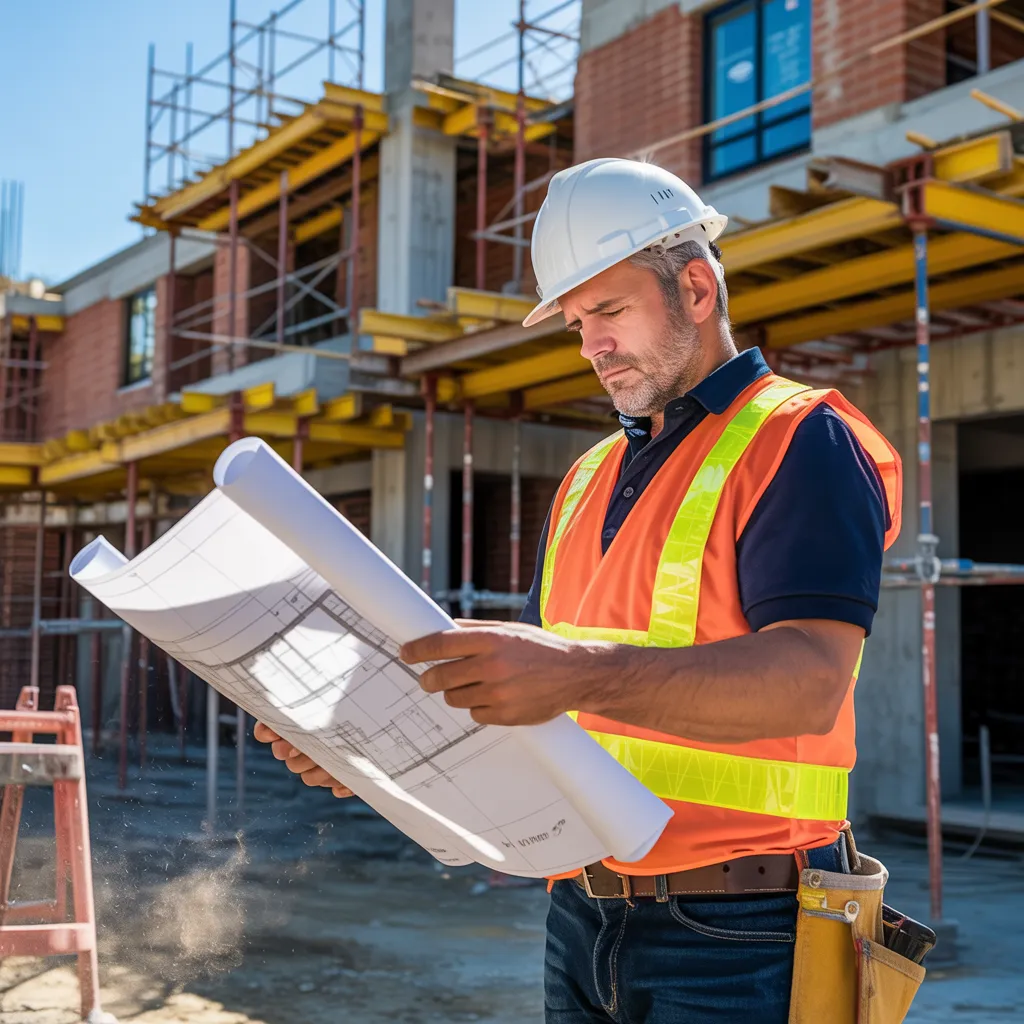
Determining the ideal general contractor for your home project is an essential decision. This requires thoughtful consideration of diverse factors, such as background, qualifications, and communication abilities. Numerous homeowners fail to notice key points, resulting in costly problems. Recognizing how to evaluate candidate contractors can make a significant effect. By focusing on core requirements and posing the appropriate questions, individuals can traverse this intricate process more effectively. What are the essential procedures to secure a productive partnership?
Tips to Steer clear of Standard Mistakes When Selecting a Contractor
When choosing a general contractor, how should one steer through the wide range of selections without encountering common mistakes? Prospective clients often miss vital aspects that can result in disappointing consequences. First, depending only on cost can be deceptive; the lowest bid may indicate below-standard work or unexpected expenses. Additionally, neglecting to check references or online reviews can result in employing a contractor with bad reviews. It is also essential to avoid making decisions based on charisma alone; a pleasant contractor may not demonstrate the needed qualifications or consistency. Moreover, ignoring explicit dialogue and anticipations can lead to confusion and disappointment. Finally, not reviewing contracts thoroughly before signing can result in hidden responsibilities or insufficient defense. By being careful and knowledgeable, homeowners can make sounder judgments, ultimately leading to a successful project.
Critical Factors to Review in a Contractor's Professional History
When assessing a contractor's background, several key factors come into play. Applicable work history, industry certifications, and an extensive portfolio of finished projects serve as critical indicators of their capabilities. Evaluating these aspects can provide useful understanding into the contractor's suitability for the specific project at hand.
Pertinent Project Background
Grasping a contractor's applicable work history is essential for ensuring the success of any building project. Potential customers should evaluate the contractor's portfolio, concentrating on finished work comparable in size and design to their own. This entails reviewing the caliber of craftsmanship, compliance with schedules, and budget management in past projects. Additionally, it is advantageous to inquire about the types of materials used and the contractor's knowledge of area construction regulations and regulations. Reviews and recommendations from previous customers can shed light on the contractor's reliability and communication skills. Ultimately, a contractor with substantial relevant experience can handle difficulties successfully, ensuring the undertaking meets the homeowner's expectations and standards.
Professional Certifications And Licenses
Certification and authorization serve as critical indicators of a contractor's competence and expertise in the construction sector. When hiring a general contractor, it is essential to confirm they have the required licenses dictated by local and state regulations. These licenses prove compliance with building codes and safety standards. Additionally, industry certifications, such as those offered by the National Association of Home Builders or other similar organizations, indicate a contractor's commitment to quality and ongoing education. Contractors holding specialized certifications may also possess skills in defined areas, like green building or remodeling. Ensuring a contractor has the correct credentials not only strengthens confidence in their skills but also lowers potential legal and financial risks during the project.
Portfolio Of Accomplished Work
A builder's portfolio featuring accomplished jobs functions as a essential resource for considering their capabilities and proficiency. This set should highlight a selection of assignments, showing adaptability in different styles and levels of complexity. When analyzing a portfolio, potential clients need to check for clear pictures that visibly represent the skill involved. It is equally helpful to view jobs that correspond to the homeowner's specific needs or design choices. Attention to detail, creative approaches, and meeting deadlines are important markers of a contractor’s skill. Moreover, user feedback or detailed reports included in the portfolio can offer deeper insights into the contractor's reliability and trustworthiness. In the end, a strong portfolio helps homeowners choose wisely for their pending assignments.
Steps to confirm Your Contractor's Credentials and Licenses
Before engaging a general contractor, it is vital to check their qualifications and certifications to verify they adhere to industry standards. Begin by contacting local licensing boards to verify that the contractor holds the necessary permits for your territory and work scope. Each state establishes its own requirements, so becoming aware of them can circumvent later difficulties.
Furthermore, ask regarding insurance coverage, such as liability and workers' compensation, to guarantee protection against potential accidents or damages. Request references from previous clients and follow up to gauge satisfaction and reliability.
Lastly, assess any certifications the contractor may obtain, as these often reveal professional development and commitment to industry best practices. A detailed review process not only guarantees compliance but also builds confidence in the contractor's ability to complete the project successfully.
Why Communication Is Essential in Your Contractor Relationship
Essential communication plays a pivotal role in the contractor-client relationship, shaping the project's success from the start. Clear discussion establishes expectations, timelines, and budgets, guaranteeing both parties are in agreement on the project's goals. When clients articulate their vision effectively, contractors can provide informed recommendations and solutions, improving the overall outcome.
Ongoing information sharing and open lines of communication enable immediate resolution of issues as they arise, minimizing potential delays. Additionally, a contractor who gives attention and addresses client feedback establishes trust, which is essential for collaboration.
Furthermore, effective dialogue supports in managing alterations and unforeseen obstacles, keeping the project on path. It allows the contractor to adjust approaches based on customer feedback, guaranteeing satisfaction during the process. In the end, prioritizing dialogue not only strengthens the contractor-client bond but also significantly helps to the triumphant completion of the home project.
Crucial Points to Put Forward to Your Service Provider in Introductory Meetings
During initial meetings with a contractor, clients should stress understanding their experience and qualifications. It's vital to discuss the project timeline and budget to confirm accord with the client's expectations. These questions build a framework for a successful partnership and effective project management.
Background and Qualifications
Choosing a contractor is based on understanding their background and credentials. Homeowners need to inquire about the contractor's industry tenure and the variety of projects they have completed. Asking specific questions about licenses, certifications, and coverage is vital, as these ensure local law compliance and safeguard the project. Furthermore, looking over past work via work samples or client testimonials can provide insight into the contractor's quality and trustworthiness. It is also advisable to probe into their knowledge of similar projects, since this can show their skill in managing particular challenges. In the end, reviewing a contractor's background and credentials inspires trust and helps homeowners make informed decisions about their home projects.
Project Plan and Budget
boosting the chances of a successful project.
Strategies for Inspecting References and Reviewing Reviews
What procedures should one follow to assure a general contractor is reliable? First, it is essential to demand a list of references from potential contractors. A reputable contractor will easily provide names and contact information of previous clients. One should telephone these references to inquire about their experiences, honing in on points like communication, quality of work, and adherence to timelines.
Moreover, reviewing online reviews on platforms like Google, Yelp, or Angie's List can offer valuable understanding. It is important to detect patterns in the reviews—uniform commendation or disapproval can indicate reliability or potential drawbacks.
Furthermore, reviewing any complaints lodged with local licensing boards or consumer protection agencies can show a contractor's history. Finally, asking for recent project photos can help determine the standard of their labor. By taking these steps, one can make a more informed decision when selecting a general contractor.
Comprehending Independent Provider Charges and Payment Requirements
Homeowners must learn about standard payment terms. Most contractors necessitate a deposit at the start, with subsequent progress payments based on project milestones. It's necessary to determine these terms before committing to a contract to avoid misunderstandings. In addition, homeowners should investigate potential unforeseen costs, such as permits or unexpected work. Honest dialogue regarding payment details and pricing will help strengthen a transparent working relationship, ultimately producing a victorious project outcome. Knowing these elements equips homeowners to make better decisions when appointing a general contractor.
Often Posed FAQs
What Timeframe Should We Anticipate for Project Completion?
Project duration typically varies based on complexity and scope. Typically, the process may take several weeks to months. Elements including weather, material availability, and labor resources can greatly influence the project completion schedule.
What Transpires if Unanticipated Challenges Emerge During Building?
If unexpected issues emerge during construction, the contractor typically evaluates the situation, communicates with the homeowner, and proposes recommendations. Adjustments to the schedule and budget may be necessary, ensuring clarity throughout the undertaking.
Do I Need Permits or Inspections for My Undertaking?
Most undertakings necessitate permits and inspections to guarantee adherence with local construction regulations. It is important to consult with a general contractor who comprehends these requirements, as they can navigate the permitting process skillfully.
What Is Your Method to Handling Subcontractors and Their Compensation?
A renowned general contractor manages subcontractors by instituting unambiguous agreements outlining payment terms. They provide consistent payment, establish transparent exchange, and review subcontractor work quality, expert guide advancing a cooperative workplace that contributes to project outcomes and quality.
What Is Your Stance on Project Modifications or Upgrades?
The contractor takes a versatile method to project changes, necessitating written documentation for any upgrades. They guarantee clear communication, determine cost implications, and revise deadlines accordingly to accommodate the client's shifting needs and expectations.